





Craftsmanship Creates Brilliance: A Complete Guide to Gemstone Setting — From Traditional Techniques to Modern Precision, Discovering the True Value of a Fine Jewelry Piece
Jewelry is a work of art of time, a vessel for emotions, and a perfect blend of craftsmanship and aesthetics. When an unpolished gem meets exquisite setting techniques, it sheds its immaturity and shines with breathtaking brilliance. In the world of jewelry, setting is far more than simple "fixing" - it's the core skill that brings life and soul to the gemstone. It determines the jewelry's sparkle, durability, and wearing experience, and more directly defines its quality and style.
For every wearer who seeks quality and taste, understanding jewelry setting techniques is not only a "must-have" when choosing jewelry, but also the key to appreciating the craftsmanship and value behind it. This article will delve into the mainstream jewelry setting techniques, from traditional classics to modern innovations, from the principles of the craft to the scenarios they're suitable for, giving you a comprehensive understanding of the artistic charm of jewelry setting. This way, when shopping for jewelry, you'll no longer just focus on the size of the stones, but also understand the true value of the craftsmanship.
I. Setting Process: The "skeleton" and "soul" of jewelry
When buying jewelry, many people only focus on the gemstone's carat weight, color, and clarity, but overlook the gem setting as the core element. In fact, no matter how good the gemstone is, without exquisite setting craftsmanship, it will pale in comparison; whereas an ordinary gemstone, when set with skillful craftsmanship, can shine with unexpected brilliance. The core value of gem setting lies in three dimensions:
- Optical enhancement: Through proper metal shielding and angle design, we maximize the gemstone's clarity, fire, and sparkle, making small diamonds look bigger and colored gems more vibrant;
- Structural stability: Precise setting and secure fastening methods prevent gemstones from loosening or falling out, extending the jewelry's lifespan and ensuring durability for everyday wear;
- Aesthetic expression: Different techniques create different styles—simple, luxurious, vintage, avant-garde... The craftsmanship determines the visual quality of the jewelry, showcasing the wearer's taste.
You could say that gemstones are the flesh and blood of jewelry, while setting craftsmanship is its soul. A high-end piece of jewelry is always the pinnacle of both gemstone quality and setting technique.
II. Classic Heritage: Time-tested inlay craftsmanship passed down through generations
1. Claw setting — the classic and timeless "diamond showstopper"
Prong setting is the oldest and most classic jewelry setting technique, and it's the go-to for wedding rings and main stone jewelry. It uses slender metal prongs to securely hold the gemstone around its edge, minimizing metal coverage and maximizing the gemstone's sparkle.
Based on the number and shape of the claws, they can be categorized into four-claw settings, six-claw settings, round-claw settings, pointed-claw settings, and snowflake-claw settings. Among them, the six-claw setting is the classic standard for wedding rings - it distributes pressure evenly, offers high stability, and its symmetrical design exudes elegance and grandeur; the four-claw setting is more minimalist and modern, revealing more of the gemstone's surface for a lively and stylish look.
Process advantages: Excellent light transmission, allowing the gemstone's sparkle to be fully displayed, making it look bigger and more dazzling;
Suitable for: diamond ring main stones, single gemstone pendants, earrings. Perfect for formal occasions like proposal and weddings - classic and versatile, never goes out of style.
Shopping tips: Give priority to round claws or rounded corners to avoid sharp claws from scratching clothes; check if the claws are even, smooth, and free of burrs or deformities.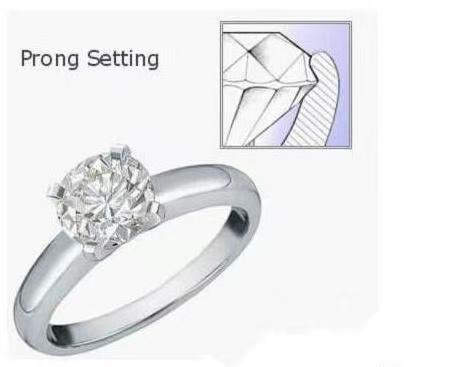
2. Beaded —— A low-key, reliable "daily guardian"
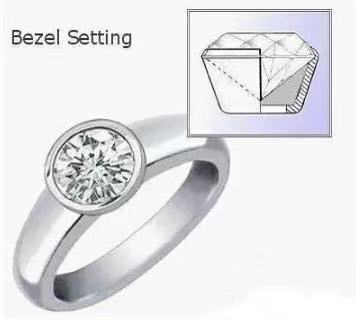
Bezel setting, also known as "encrusted setting," is a technique where the metal border completely or partially surrounds the gemstone's waist. It comes in two types: full bezel and half bezel. This is one of the strongest setting methods, like putting a layer of "armor" around the gemstone to fully protect it from bumps and wear.
The full bezel setting is understated and refined, with the metallic texture complementing the gemstone's luster for a sophisticated look; the half bezel setting retains some transparency, balancing durability with sparkle for a more dynamic effect.
Technical advantages: Super strong durability, won't snag on clothes or scratch the skin, highly resistant to wear and tear, offers the best protection for your gemstones;
Suitable for: everyday commuting jewelry, large gemstones, senior-friendly pieces, and sports wear - understated and practical with a warm texture;
Key buying points: The metal trim should be evenly thick and fit tightly without any gaps or looseness, with a smooth and polished edge.
3. Groove inlaying (track setting) – Neat and tidy "luxury minimalism"
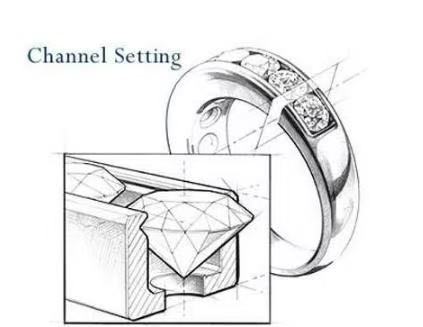
Channel setting is a technique where gemstones are set into metal channel grooves, secured on both sides by the metal, with no claws or prongs on the surface, resulting in a clean, crisp, and uniform look. This craftsmanship originated in European courts and exudes a simple yet sophisticated, luxury vibe.
The gemstones are closely arranged in the grooves, with light refracting evenly to create a soft, understated sparkle. The overall look is harmonious and unified, exuding a sense of orderly beauty.
Process advantages: Smooth surface, comfortable to wear, less likely to snag, high durability, and excellent cluster setting effect;
Suitable for: drilling rings, bracelets, necklace side stones, earrings. Great for minimalist and office-style outfits - understated yet classy;
Key purchasing points: The channel rails need to be highly precise, with the gems arranged neatly and evenly in height, without any looseness or skewness.
III. Luxury Upgrade: High-end setting techniques that showcase exceptional craftsmanship
1. Microsetting (beaded setting) — A dazzling "diamond feast"
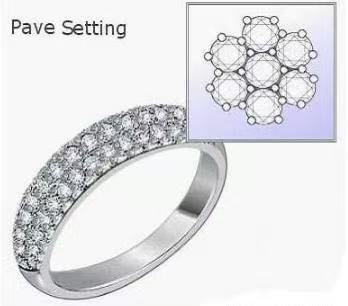
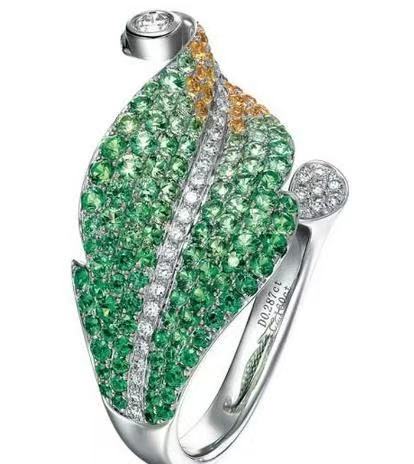
Bezel setting is the epitome of fine craftsmanship in jewelry, belonging to the high-density cluster setting technique. Under a microscope, artisans closely arrange tiny diamonds with extremely fine metal pins, leaving almost no visible trace of metal to the naked eye - only a dazzling array of stars.
This technique requires extremely high craftsmanship, with each tiny diamond needing to be placed and angled precisely to ensure an even arrangement and uniform sparkle. When set under light, the micro-set jewels look like a galaxy spread out, exuding absolute luxury.
Process advantages: Full diamond setting for ultimate sparkle, visually luxurious and grand with rich layers;
Suitable for: evening party jewelry, luxury pendants, diamond ring side stones, vintage-style accessories - perfect for formal occasions and adds a glamorous touch;
Key buying points: The small diamonds are closely set with no gaps or risk of any falling out, the metal studs are small and even, and the finish is smooth with no imperfections.
2. Hidden setting (bezelless setting) – "top-tier art" where you can't even see the craftsmanship
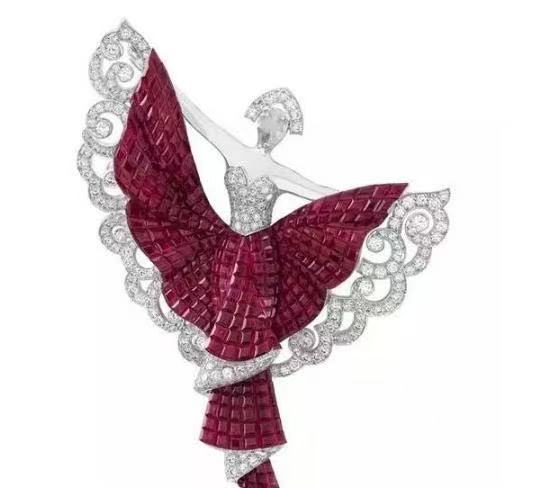
Secret setting is one of the most difficult and expensive jewelry setting techniques, originating from top French luxury brands. It involves cutting interlocking joints on the sides of the stones so they fit together seamlessly without any visible metal claws, grooves, or pins, making it look like the stones are naturally connected as one piece.
This technique requires craftsmen to achieve millimeter-level precision in gemstone cutting and setting, taking a very long time. It's an exclusive process for high-end custom jewelry, showcasing luxury and sophistication.
Process advantages: No metal obstruction, maximizing the sparkle of the gemstones, creating a seamless and uniquely luxurious look;
Suitable for: high-end colored gemstone jewelry, collectible pieces, custom-made wedding rings - perfect for showing off status and taste;
Key buying points: The gems should fit seamlessly without any gaps or unevenness, and the design should be sturdy to avoid harsh impacts.
3. Nail inlaying —— Vintage elegance, the beauty of details
Stud setting is a traditional handcrafted technique where tiny metal pins are used to secure the gemstones. There are two-pin, three-pin, and five-pin settings. The small pins are delicate and exquisite, not only holding the gemstones in place but also adding a vintage touch, with every detail showing craftsmanship.
This technique is highly versatile and perfect for setting small gemstones. The lines are delicate, elegant, and exude a classic beauty.
Craft advantages: Exquisite and retro design, minimal coverage, high shine, vibrant details - perfect for small, delicate jewelry;
Suitable for: vintage-style earrings, choker necklaces, small gemstone jewelry - gentle and graceful, highlighting a woman's soft beauty;
Key buying points: The metal studs are small, round, and evenly spaced, and the gems are securely set with no looseness.
IV. Innovative Breakthrough: Modern Design-Inlaid Technology
2. Tension inlay —— a minimalist and avant-garde "suspended aesthetics"
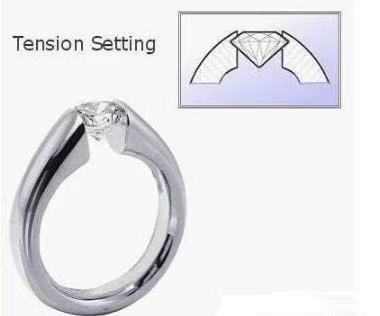
Tension setting is an innovative jewelry technique that uses the elasticity and tension of metal to securely hold a gemstone in the gap between the metal pieces. Visually, it looks like the gemstone is "floating" in mid-air, completely unobstructed - very minimalist and avant-garde.
This technique requires special metal materials and precise mechanical calculations to achieve both durability and design, making it a hallmark of personalized jewelry.
Technical advantages: Minimalist and modern design, zero obstruction, maximum shine, full of personality, stands out from the crowd;
Suitable for: designer diamond rings, personalized pendants, and luxury niche jewelry - perfect for those who seek something unique and avant-garde;
Key buying points: Moderate metal tension, gemstones securely fixed without shaking, material hardness meets standards to prevent deformation.
2. Inlaid (set-in) – Warm and delicate "low-key texture"
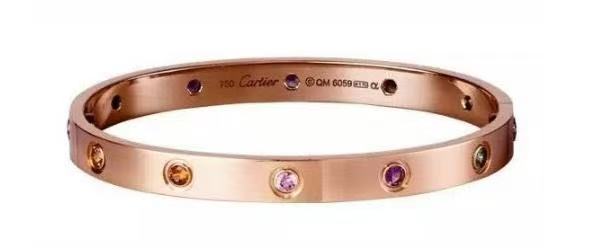
Bevel setting is a technique where gemstones are embedded in a metal base, with the metal edges gently beveled to cover the edges of the gemstones, resulting in a smooth, flat surface that feels warm and delicate. This craftsmanship is understated and elegant, comfortable to wear, with no abruptness at all, showcasing a simple yet sophisticated style.
Process advantages: Smooth and rounded, no foreign body sensation when worn, durable and sturdy, understated and not flashy;
Suitable for: Simple rings, men's jewelry, everyday small accessories - versatile and goes with anything;
Key buying points: The gemstone should be flush with the metal surface, with even edges and no scratches or looseness.
V. How to Choose the Inlaying Process Based on Your Needs? A Guide to Avoiding Mistakes
- Proposal/Wedding Rings: Prong settings (six-prong/four-prong) are the top choice - they show off the diamond perfectly, symbolize eternity, and strike a balance between beauty and formality;
- For daily commuting: prefer set stones, channel-set stones, or bezel-set stones - they're secure and won't snag on clothes, durable and worry-free, and look classy without being too flashy;
- Luxury but understated style: Choose micro-set or hidden-set diamonds for a dazzling and elegant look, perfect for parties and dinners;
- Retro Soft Style: Ideal for studs and rhinestones, with delicate details that exude a gentle retro vibe and highlight feminine softness;
- Unique and niche style: Choose tension-set stones for a minimalist and avant-garde look that stands out and showcases your unique taste;
- Colored gemstones / Soft gemstones: Must be set with bezels or channels for full protection against chipping and wear.
VI. Artisanal Commitment: Quality Standards for Fine Jewelry Setting
A truly high-quality piece of jewelry must meet three key criteria when it comes to setting craftsmanship:
- Sturdy and reliable: The setting is precisely fitted, ensuring the gemstone stays securely in place with no risk of loosening, shaking, or falling out;
- Comfortable to wear: The metal edges are smoothly polished, without burrs or scratches, and they're skin-friendly without rubbing your hands;
- Aesthetic harmony: The craftsmanship matches the gemstone style, with symmetrical proportions and smooth lines, creating an overall premium feel.
From the craftsmen's meticulous polishing to the precise calibration of instruments, every gemstone setting embodies countless rounds of refinement. There are no shortcuts, no compromises - only craftsmanship can create timeless jewelry.
VII. Conclusion
The beauty of jewelry lies not only in the brilliance of the gems but also in the craftsmanship that brings them to life. Every technique is a testament to wisdom accumulated over time; every piece is a crystallization of craftsmanship and aesthetics. The classic setting, the secure bezel setting, the luxurious microsetting, the sophisticated invisible setting... Different techniques create different kinds of beauty and suit different emotions and occasions.
When we understand the art of jewelry setting, we're no longer just wearers of jewelry but also appreciators of its craft. May everyone who loves jewelry find that piece with exquisite craftsmanship that fits their heart perfectly, letting its brilliance accompany them year after year, treasuring every precious moment.


